Concussion Recovery: Why Symptoms Can Persist
Written by Maëva Loyson
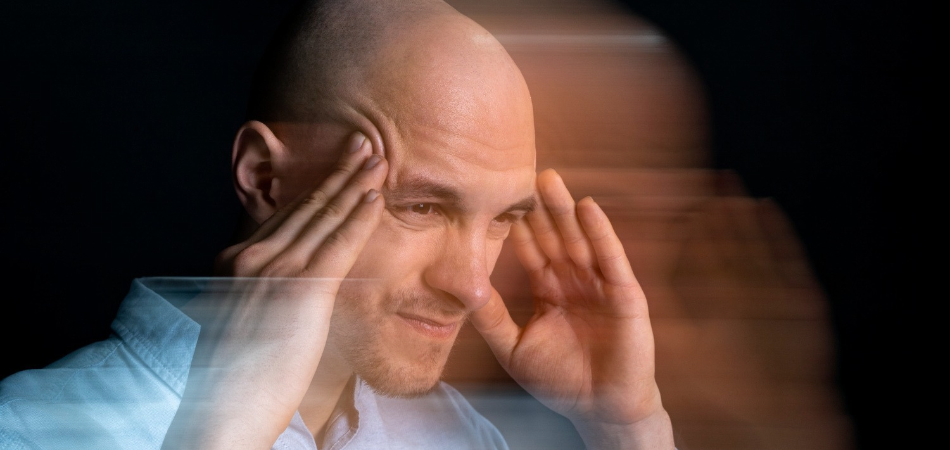
A bump to the head, a fall, a sports injury, or even a sudden jolt to the body can leave you feeling unlike yourself.
You might expect a concussion to resolve once the initial headache fades. But days or weeks later, you may still experience headaches, neck discomfort, dizziness, difficulty concentrating, or a feeling that your balance is not quite right.
For some people, recovery is straightforward. For others, symptoms can persist and begin to affect work, school, exercise, sleep, and everyday life.
Why can concussion symptoms continue after the initial injury, and what can help you recover safely?
At Hello Osteo, we believe that understanding your symptoms is an important step toward finding the right support. In this article, we explore what happens after a concussion, why headaches, neck symptoms, and balance difficulties may linger, and why appropriate medical guidance is essential throughout recovery.
What Is a Concussion?
A concussion is a type of mild traumatic brain injury (mTBI). It can occur when a blow to the head, a fall, or an impact elsewhere on the body causes the head and brain to move rapidly.
This movement can affect how the brain functions, leading to temporary changes in thinking, movement, emotions, sleep, and other everyday activities.
A concussion does not always involve losing consciousness. Someone can sustain a concussion even if they remain awake, remember the incident, and initially appear well.
Symptoms can appear immediately or develop over the hours or days following an injury. This is one reason why monitoring and appropriate medical assessment matter.
Most people improve within a few weeks, but recovery varies. Some people experience symptoms for longer and may need a more individualized assessment and rehabilitation plan.
Why Can Concussion Symptoms Continue?
A concussion affects the brain, but its effects are not always limited to headaches or feeling dazed immediately after an impact.
Several factors may contribute to symptoms that persist beyond the initial injury.
1. The Brain Needs Time to Recover
Following a concussion, the brain undergoes changes that can temporarily affect how it processes information and responds to physical and mental demands.
During recovery, activities such as reading, working at a computer, exercising, or spending time in a noisy environment may feel more demanding than usual.
You might notice:
- Difficulty concentrating or remembering information
- Feeling mentally foggy or slower than usual
- Fatigue after relatively simple activities
- Increased sensitivity to light or sound
- Changes in sleep or mood
These symptoms are not imaginary, and they do not necessarily mean that permanent damage has occurred. They do, however, deserve appropriate monitoring, especially if they persist or worsen.
2. The Neck May Also Have Been Injured
A concussion and a neck injury can happen during the same incident.
For example, a fall, collision, or sudden acceleration of the head may place stress on the muscles and joints of the cervical spine, even when there is no direct blow to the neck.
This may contribute to:
- Neck pain or stiffness
- Reduced comfort when turning the head
- Tenderness around the neck and shoulders
- Headaches that begin around the base of the skull
- Discomfort that increases with certain head or neck movements
Neck-related pain can overlap with post-concussion symptoms, making it important to assess both the brain injury and any associated musculoskeletal injury.
However, neck pain after a head injury should not automatically be attributed to muscle tension. Severe neck pain or tenderness following an injury requires urgent medical assessment, particularly when accompanied by neurological symptoms.
3. Balance and Vision Systems May Be Affected
Your balance depends on several systems working together, including your inner ear, vision, sensory information from your body, and the brain's ability to coordinate these signals.
A concussion can affect how these systems communicate.
You may experience:
- Dizziness or a spinning sensation
- Feeling unsteady while walking
- Difficulty moving through busy environments
- Discomfort when turning your head
- Sensitivity to movement or visual stimulation
- Difficulty focusing your eyes or following moving objects
These symptoms can make ordinary activities, such as walking through a supermarket, using stairs, or travelling as a passenger, surprisingly tiring.
Persistent dizziness or balance difficulties may benefit from a targeted assessment. Depending on the cause, a healthcare professional may recommend vestibular rehabilitation, vision-related assessment, or another appropriate intervention.

4. Returning to Everyday Activities Can Be Challenging
Recovery is not always a straight line.
You may feel better one day, return to your usual routine, and then notice that your headache or fatigue increases.
This can happen because your current tolerance for physical, visual, or mental activity is temporarily reduced.
The goal is not necessarily to avoid every activity until all symptoms disappear. After an initial period of relative rest, a gradual return to daily activities is generally encouraged, provided symptoms remain manageable and activity does not create significant or prolonged worsening.
If symptoms increase substantially or remain worse afterward, your activity level may need to be adjusted with guidance from your healthcare professional.
Headaches After a Concussion: What Could Be Contributing?
Headaches are among the most common symptoms after a concussion.
They can feel different from one person to another. Some people experience a pressure-like sensation, while others describe throbbing pain, tension around the head, or discomfort that becomes worse with concentration, movement, or bright light.
Several factors may contribute, including:
- The effects of the concussion itself
- An associated neck injury
- Changes in sleep or fatigue
- Sensitivity to light or sound
- Migraine-related mechanisms
- Increased demands from work, screens, or exercise
Because different causes can produce similar symptoms, persistent headaches should not automatically be assumed to come from the neck.
A healthcare professional can help assess the possible contributors and determine whether further investigation or targeted treatment is needed.
Seek emergency medical care for a severe or rapidly worsening headache after a head injury, especially if it occurs with repeated vomiting, increasing confusion, unusual drowsiness, weakness, seizures, or other new neurological symptoms.
When Should You Seek Medical Guidance?
Anyone with a suspected concussion should be assessed by an appropriate healthcare professional.
A medical assessment can help confirm the diagnosis, identify more serious injuries, and guide a safe recovery plan.
Seek emergency medical care if, after a head injury, you or someone with you develops:
- A severe or worsening headache
- Repeated vomiting Increasing confusion, agitation, or unusual behaviour
- A seizure
- Weakness, numbness, or difficulty coordinating movement
- Slurred speech
- Unequal pupils or double vision
- Loss of consciousness or difficulty waking
- Significant neck pain or tenderness
These warning signs can indicate a more serious injury and should not be managed with manual therapy or home exercises.
If your symptoms are not improving, worsen when you resume normal activities, or continue beyond two to three weeks, contact your healthcare professional for reassessment. Persistent symptoms may require a coordinated approach involving clinicians with different areas of expertise.
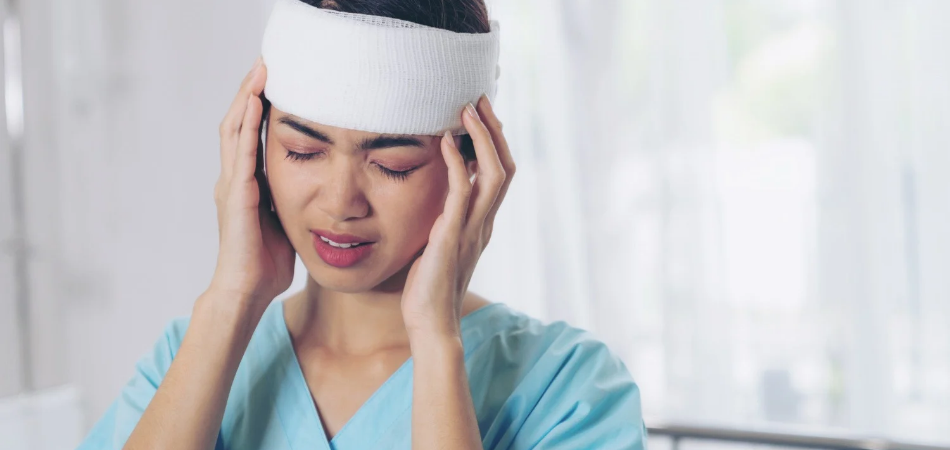
Supporting Your Recovery After a Concussion
Although recovery looks different for everyone, a few general principles can help you approach it more safely.
1. Start With Medical Guidance
Follow the advice of your physician or other qualified healthcare professional regarding monitoring, symptom management, and returning to work, school, driving, exercise, and sport.
Do not return to activities that carry a risk of another head injury until you have been medically cleared to do so.
2. Allow a Short Period of Relative Rest
During the first 24 to 48 hours, relative rest may help you manage symptoms.
This does not necessarily mean staying in a dark room or avoiding all mental and physical activity. Instead, reduce activities that significantly aggravate your symptoms and prioritize sleep, hydration, meals, and a calm environment.
Prolonged strict rest is generally not recommended.
3. Gradually Resume Daily Activities
As your symptoms allow, gradually return to light activities such as short walks, simple household tasks, or brief periods of reading and screen use.
Pay attention to how you feel during and after each activity. If symptoms become significantly worse or remain elevated, reduce the intensity or duration and seek advice if needed.
Your progression should be individualized rather than based on a fixed timetable.
4. Protect Your Sleep and Energy
Fatigue can make recovery more difficult.
Try to maintain a consistent sleep routine, take breaks when needed, and avoid pushing through substantial symptoms simply to keep up with your usual schedule.
Returning to work or school may involve temporary adjustments to screen time, workload, lighting, or rest breaks
5. Seek Targeted Rehabilitation When Needed
Persistent symptoms may require specific treatment rather than a general approach to recovery.
For example, someone with ongoing balance difficulties may benefit from vestibular rehabilitation, while another person may need assessment for persistent headaches, neck pain, visual symptoms, or cognitive difficulties.
The right approach depends on the symptoms, the findings of the assessment, and the person's overall health.
How Can Osteopathy Fit Into Concussion Recovery?
Osteopathy does not treat the brain injury itself, and it cannot replace medical assessment or concussion-specific rehabilitation.
However, after appropriate medical assessment, osteopathic care may be considered as a complementary option for selected musculoskeletal symptoms, particularly when neck or shoulder discomfort contributes to a person's difficulties.
At Hello Osteo, an assessment may consider:
- Neck and upper-back discomfort
- Comfortable movement of the cervical spine and shoulders
- Muscular tension associated with an accompanying neck injury
- Postural changes related to guarding or discomfort
- How musculoskeletal symptoms affect everyday movement
Any treatment should be individualized and appropriate to the person's stage of recovery. Recent head or neck trauma, possible cervical spine injury, and ongoing neurological symptoms require particular caution.
Manual techniques should not be used to diagnose or treat a concussion, and forceful neck manipulation should not be undertaken as a treatment for post-concussion symptoms.
If headaches, dizziness, balance difficulties, or visual symptoms persist, care should be coordinated with the appropriate medical or rehabilitation professionals. Depending on the findings, this may include a physician, physiotherapist with concussion or vestibular expertise, or another relevant specialist.
The priority is always to identify the cause of the symptoms and direct the person toward the care most likely to help.
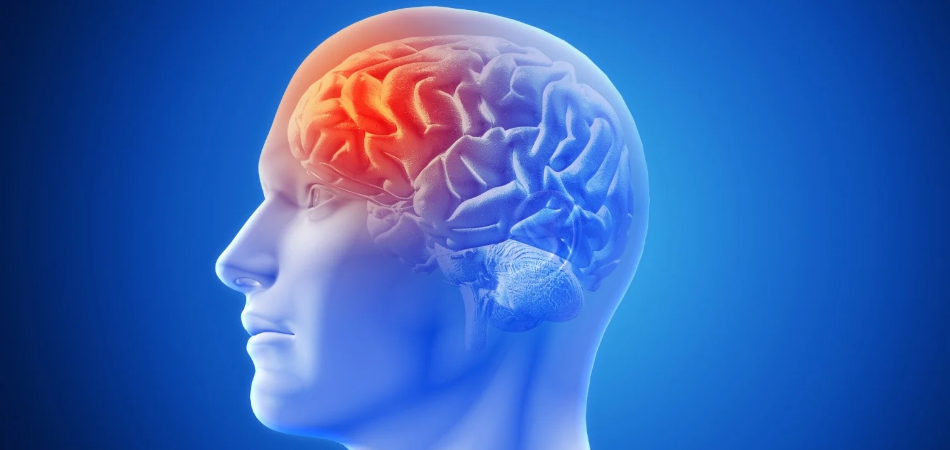
Recovery Is Personal, and the Right Support Matters
Recovering from a concussion can be frustrating, especially when symptoms continue after the initial injury appears to have healed.
You may look fine to other people while still struggling with headaches, fatigue, neck discomfort, dizziness, or concentration.
These experiences deserve to be taken seriously. Persistent symptoms do not automatically mean that something is permanently wrong, but they should not be dismissed or treated without understanding what may be contributing to them.
At Hello Osteo, we believe that good care begins with listening, understanding your symptoms, and recognizing when another healthcare professional needs to be involved.
If you are experiencing neck or musculoskeletal discomfort during concussion recovery, we encourage you to speak with your medical provider about whether complementary osteopathic care is appropriate for you.
Your recovery deserves patience, informed guidance, and care that puts your safety first.
Book at Our Kingston or Amherstview Clinic
References
- Centers for Disease Control and Prevention (CDC). What to Do After a Mild TBI or Concussion. https://www.cdc.gov/traumatic-brain-injury/response/
- Living Concussion Guidelines, Ontario. Diagnosis/Assessment of Prolonged Symptoms. https://concussionsontario.org/concussion/guideline-section/diagnosis-assessment-of-prolonged-symptoms
- Living Concussion Guidelines, Ontario. Vestibular (Balance/Dizziness) & Vision Dysfunction. https://concussionsontario.org/concussion/guideline-section/vestibular-balance-dizziness-vision-dysfunction
- Centers for Disease Control and Prevention (CDC). Symptoms of Mild TBI and Concussion. https://www.cdc.gov/traumaticbrain-injury/signs-symptoms/
Ready to take the next step?
Our osteopathic treatments are tailored to your body and goals.
Learn more about our services ->