Is My Baby a Good Candidate for Osteopathy? 5 Signs to Look For!
Written by Maëva Loyson
Wondering if your baby could benefit from osteopathy? Discover 5 common signs that your newborn may need osteopathic care, and what to expect from a session.
As a new parent, you're constantly watching your baby, noticing every little sound, movement, and expression. Your instincts are powerful, and when something feels off, it's worth paying attention.
Osteopathy is still relatively unknown to many families in Kingston and across Ontario, yet it can make a remarkable difference in those early weeks and months of life. But how do you know if your baby could benefit from it? Here are five signs that an osteopathic assessment might be exactly what your little one needs.
1. Your baby seems uncomfortable, and you're not sure why
Your baby cries. A lot. You've ruled out hunger, a dirty diaper, and tiredness, but nothing seems to settle them. This kind of persistent, unexplained fussiness is one of the most common reasons parents bring their babies to see us.
During birth, even in the most straightforward deliveries, a baby's body goes through significant physical stress. The skull, spine, and surrounding tissues can carry tension from that journey, tension that your baby simply cannot release on their own. Osteopathy uses gentle, hands-on techniques to help the body let go of that tension, often bringing noticeable relief within just a few sessions.
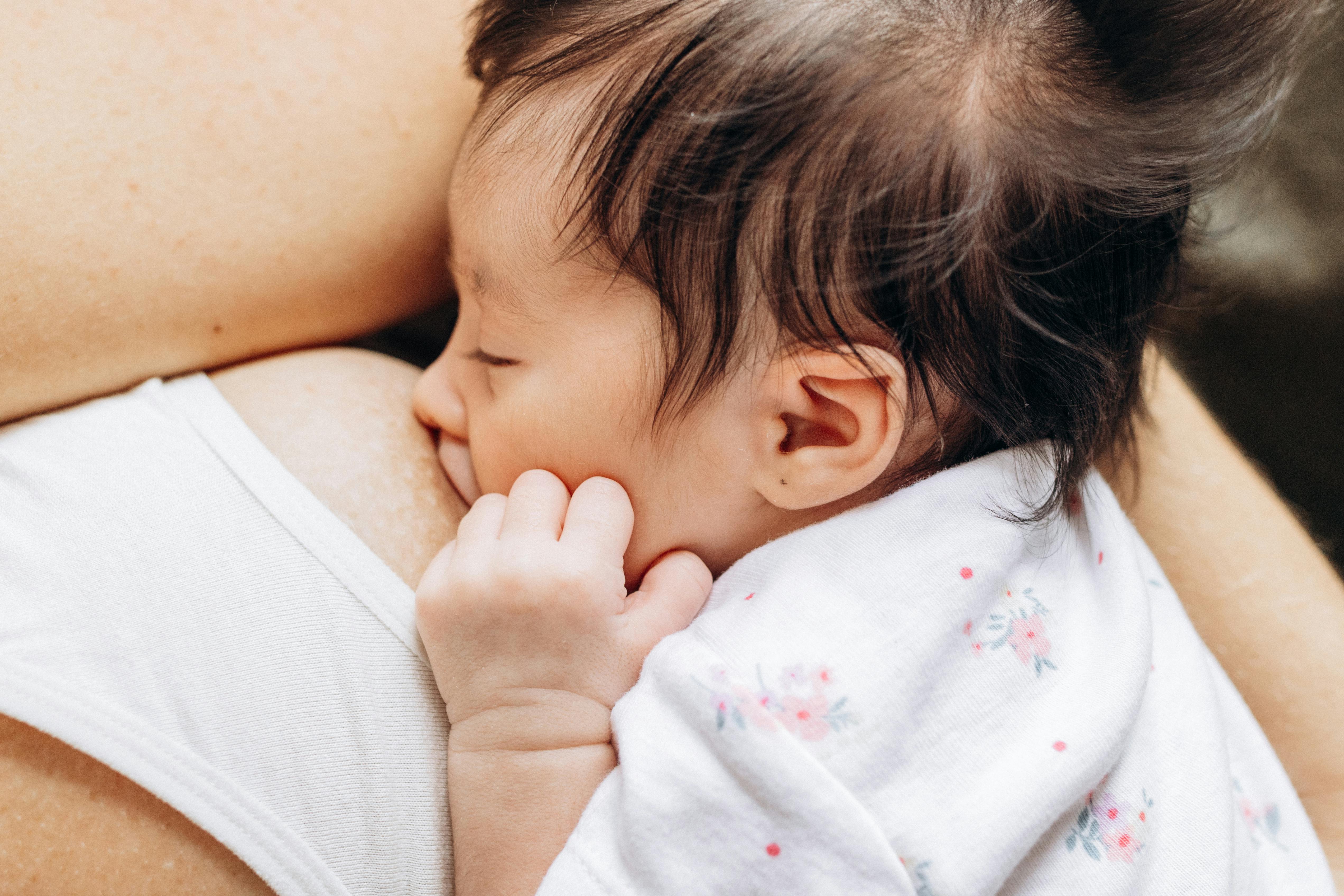
2. Your baby has difficulty feeding, breast or bottle
Feeding difficulties are incredibly stressful for both baby and parent. If your baby struggles to latch, feeds for very short periods, or seems to tire quickly during feeding, there may be an underlying physical reason worth exploring.
Tension in the jaw, neck, or cranial bones can directly affect a baby's ability to suck effectively and comfortably. Osteopathic treatment can help release these restrictions, improving comfort during feeding and supporting a stronger, more coordinated suck reflex. Many of our moms at Hello Osteo have noticed a significant improvement in breastfeeding after just one or two sessions.
3. Your baby has a strong preference for one side
Does your baby always turn their head to the same side? Do they seem uncomfortable or stiff when you try to turn them the other way? This is called positional preference, and it's more common than you might think.
It can develop during pregnancy, especially in cases of restricted space in the womb, or as a result of the birth process itself. Left untreated, it can lead to a flat spot developing on one side of the head (plagiocephaly) and may affect feeding, sleep, and overall comfort. Osteopathy can gently address the muscular and joint restrictions that cause this preference, helping your baby move freely and symmetrically.
4. Your baby has reflux or digestive discomfort
Spitting up after feeds is normal for babies. But when it becomes frequent, forceful, or clearly painful, it can signal something more, and it's exhausting for the whole family.
Osteopathic treatment looks at the diaphragm, the stomach, and the surrounding structures to understand how tension in the body may be contributing to reflux or digestive discomfort. By releasing restrictions in these areas, we can help improve the function of the digestive system as a whole. Parents are often surprised by how much of a difference this can make, sometimes within days of the first session.
5. Your baby had a difficult birth
Whether your birth involved a long labor, the use of forceps or vacuum, a very fast delivery, or a caesarean section, all of these can leave physical traces in your baby's body that are worth assessing.
A C-section, for example, means your baby didn't go through the natural process of moving through the birth canal, which actually plays an important role in releasing pressure from the skull and preparing the body for life outside the womb. Forceps and vacuum deliveries, while sometimes necessary and life-saving, can place significant forces on a baby's head and neck. An osteopathic check-up after a complex birth is a bit like a post-birth MOT, a gentle assessment to make sure everything is balanced and free, even if your baby seems perfectly fine on the surface.
What does a baby osteopathy session actually look like?
If you're imagining the kind of treatment adults receive, you can relax. Baby osteopathy is extraordinarily gentle. Most of the time, your baby will be lying in your arms or on the treatment table, and the techniques used involve very light touch, often no more pressure than the weight of a hand resting softly on the skin.
Sessions at Hello Osteo typically last 45 minutes, giving us time to listen to your concerns, observe your baby, and treat gently and thoroughly. Many babies sleep through their session. Others are alert and curious. Both are completely normal.

When should you book?
There's no need to wait until a problem becomes serious. Many parents choose to bring their baby in for a check-up in the first few weeks of life, simply as a preventative measure, particularly after a complex birth. Others come when they notice one of the signs above.
If you're unsure whether osteopathy is right for your baby, we're always happy to answer your questions before you book. You know your baby best, and we're here to support both of you.
Ready to book your baby's first session? We'd love to meet your little one.
Hello Osteo offers specialized baby osteopathy at our Kingston and Amherstview locations. Sessions are available in English and French.
Ready to take the next step?
Our osteopathic treatments are tailored to your body and goals.
Learn more about our services ->