Is Your Child's Walk Normal? A Parent's Guide to Pediatric Gait Abnormalities
Written by Maëva Loyson
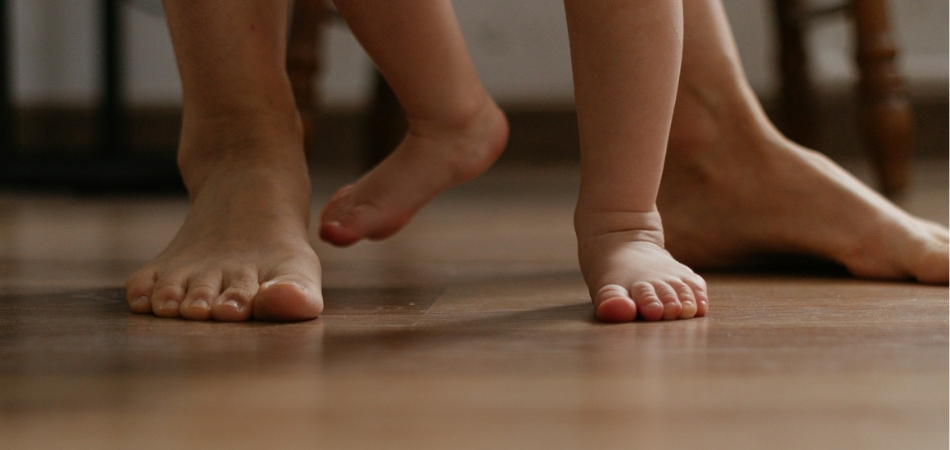
Watching your child take their first steps is one of the most exciting milestones in early childhood. As they grow from toddlers into confident walkers, you may begin to notice little differences in how they move. Perhaps they walk on their toes, turn one foot inward, or seem to waddle more than other children.
It is natural to wonder whether these walking patterns are simply part of normal development or whether they should be assessed by a healthcare professional.
At Hello Osteo, our pediatric osteopaths, Maëva, Céline, and Alexia, regularly support babies, toddlers, and children through every stage of growth and development. Many parents visit us looking for reassurance, answers, and gentle care to help their child move comfortably and confidently.
This guide explains common pediatric gait abnormalities, when they are considered a normal part of development, when to seek professional advice, and how pediatric osteopathy may help support your child's overall movement.
What Is a Pediatric Gait Abnormality?
A gait refers to the way someone walks. A pediatric gait abnormality simply describes a walking pattern that looks different from what is typically expected for a child's age.
Children's bodies change rapidly during the first several years of life. Their bones are still developing, muscles are becoming stronger, and the nervous system is continuously learning balance, coordination, and posture. Because of this, many walking variations are completely normal and improve naturally as children grow.
However, some gait patterns may persist, become asymmetrical, cause discomfort, or affect a child's ability to play and participate in daily activities. These situations may benefit from an assessment.
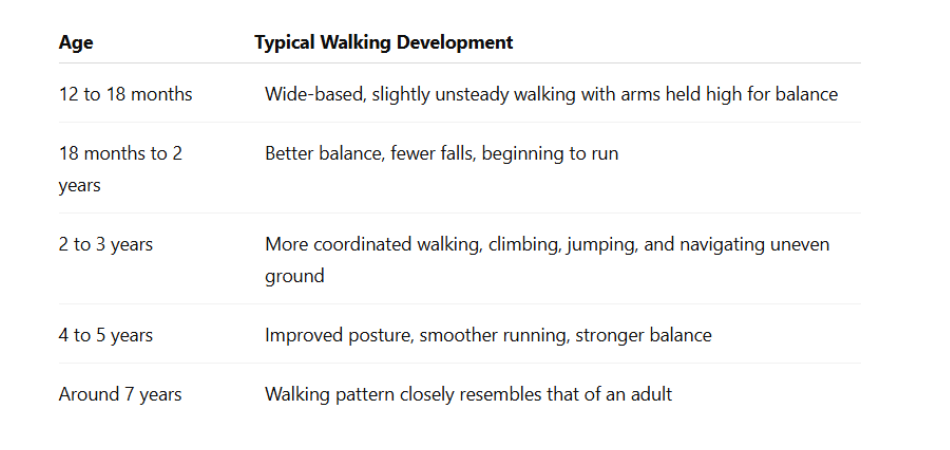
How Does a Child's Walking Develop?
Every child develops at their own pace, but these general milestones can help parents understand what is typically expected.
Common Walking Patterns in Children
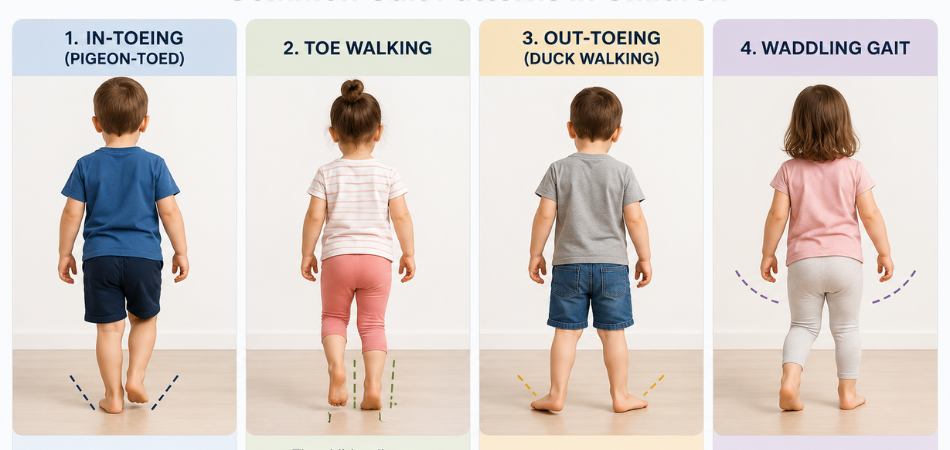
In-Toeing (Pigeon-Toed Walking)
What it looks like
One or both feet point inward while your child walks or runs.
Common causes
In-toeing may originate from:
- The shape of the foot (metatarsus adductus)
- Rotation of the shin bone (internal tibial torsion)
- Rotation of the thigh bone (femoral anteversion)
Is it normal?
Yes. In-toeing is one of the most common reasons parents seek advice. Most children naturally outgrow it between the ages of 6 and 8 as their bones gradually rotate into a more typical alignment.
Parents should seek an assessment if:
- Only one leg is affected
- Frequent tripping limits activities
- The condition worsens over time
- Pain develops
Toe Walking
What it looks like
Your child walks mainly on the balls of their feet without regularly placing their heels on the ground.
Common causes
Toe walking is fairly common in new walkers and may simply be part of learning to walk.
Persistent toe walking may sometimes be associated with:
- Habitual or idiopathic toe walking
- Tight calf muscles or Achilles tendons Sensory processing differences
- Neurological or developmental conditions
When is it normal?
Occasional toe walking before age 2 to 3 is generally considered part of normal development. If your child consistently walks on their toes after age 3 or cannot comfortably place their heels on the floor, it is worth discussing with a healthcare professional.
Out-Toeing (Duck-Footed Walking)
What it looks like
One or both feet point outward while walking.
Common causes
Out-toeing may result from:
- Hip positioning
- External rotation of the lower leg
- Flexible joints
- Early walking posture
Most children gradually develop improved alignment as their balance and muscular control mature. An assessment is recommended if the condition appears suddenly, affects only one side, or causes pain.
Waddling Gait
What it looks like
A noticeable side-to-side movement of the hips while walking.
When is it normal?
A mild waddling gait is common in toddlers who are still developing strength and balance. If this walking pattern continues beyond the early toddler years or is accompanied by weakness, frequent falls, or delayed milestones, further assessment may be appropriate.

When Should Parents Be Concerned?
Many childhood walking patterns improve naturally. However, certain signs should always be evaluated by a healthcare professional.
Seek Medical Advice If Your Child:
- Continues toe walking beyond age 3
- Frequently trips or falls
- Walks differently on one side only
- Complains of pain while walking
- Stops walking after previously walking normally
- Appears weak or unusually fatigued
- Has persistent limping
- Shows delayed motor development
Seek Immediate Medical Attention If Your Child Has:
- A sudden limp
- Severe pain
- Fever with joint pain
- Joint swelling
- Refuses to bear weight on one leg
These symptoms require prompt evaluation by a physician or pediatrician.
How Can Pediatric Osteopathy Help?
At Hello Osteo, our pediatric osteopaths assess how your child's whole body works together rather than focusing only on the feet or legs.
The spine, pelvis, hips, knees, ankles, muscles, and connective tissues all contribute to healthy movement. If tension or restricted mobility is affecting how your child moves, gentle hands-on treatment may help improve comfort and mobility.
Our practitioners, Maëva, Céline, and Alexia, provide individualized assessments that consider your child's age, development, movement patterns, and overall wellbeing.
During a Pediatric Osteopathy Assessment, We May:
- Assess posture and whole-body alignment
- Observe walking and movement patterns
- Evaluate joint mobility
- Assess muscle flexibility and balance
- Identify areas of tension that may contribute to altered movement
- Provide age-appropriate advice for home activities
If we identify signs that suggest an underlying orthopedic, neurological, or developmental condition, we will recommend referral to your pediatrician or the appropriate healthcare professional.
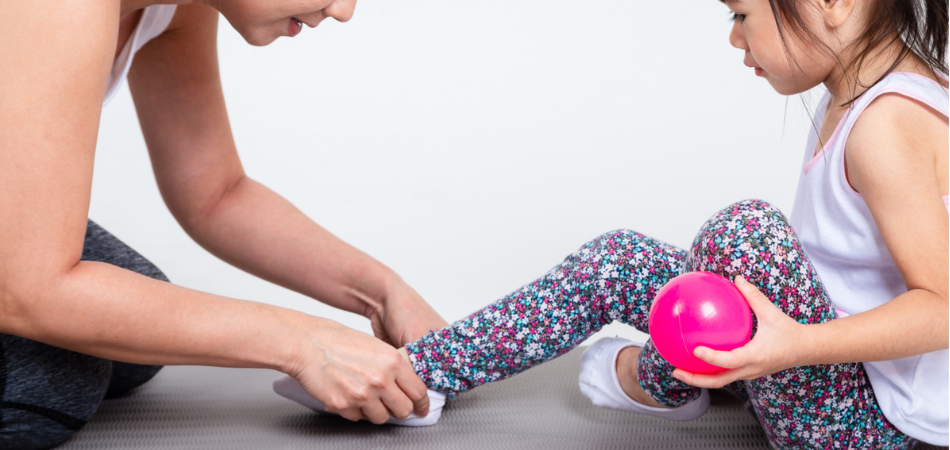
Supporting Healthy Walking at Home
Parents play an important role in supporting healthy movement
Encourage Barefoot Play
Walking barefoot on safe surfaces such as grass, sand, or indoor play mats helps strengthen the muscles of the feet while improving balance and sensory awareness.
Choose Flexible Footwear
Well-fitting shoes with flexible soles and a wide toe box allow the feet to move naturally during growth.
Promote Active Play
Activities such as climbing, hopping, balancing, bear crawls, crab walks, and obstacle courses encourage coordination, strength, and body awareness.
Avoid Comparing Children
Every child develops differently. While developmental milestones provide general guidance, children reach them at different times.
Frequently Asked Questions
Is in-toeing normal in toddlers?
Yes. In-toeing is very common and often improves naturally during childhood without intervention.
Should I worry if my toddler walks on their toes?
Occasional toe walking is common in young toddlers. Persistent toe walking after age 3 should be assessed by a healthcare professional.
Can osteopathy correct my child's walking pattern?
Pediatric osteopathy does not "correct" bone development. However, when muscular tension or joint restrictions contribute to altered movement, gentle osteopathic treatment may help improve comfort, mobility, and overall movement quality as part of your child's care.
Will my child need imaging or specialist care?
Not always. Many gait differences are part of normal development. If your osteopath identifies signs that require further investigation, they will recommend referral to the appropriate healthcare provider.
We're Here to Support Your Child's Healthy Development
Most childhood walking differences are a normal part of growing up and improve naturally over time. However, if you have concerns about your child's walking, posture, balance, or movement, seeking professional advice can provide reassurance and help identify whether additional support is needed.
At Hello Osteo, Maëva, Céline, and Alexia provide gentle, child-centered osteopathic care for babies, toddlers, and children. Our goal is to support healthy movement, comfort, and confidence throughout every stage of development.
If you have questions about your child's gait or would like a pediatric osteopathy assessment, we would be delighted to help.
Book your pediatric osteopathy appointment with Hello Osteo today.
Book at Our Kingston or Amherstview Clinic
Disclaimer: This article is intended for educational purposes only and should not replace medical advice. If your child experiences severe pain, sudden inability to walk, fever, significant swelling, or rapidly worsening symptoms, seek immediate medical evaluation.
References
- Canadian Paediatric Society. Caring for Kids and position statements on child development.
- SickKids. Pediatric musculoskeletal and developmental resources.
- Choosing Wisely Canada. Recommendations for pediatric musculoskeletal care.
- Canadian Orthopaedic Association. Pediatric orthopedic guidance.
- Staheli LT. Pediatric Orthopaedics in Primary Care.
- Engström P, Tedroff K. Idiopathic Toe Walking: Prevalence and Natural History.
- Tachdjian MO. Tachdjian's Pediatric Orthopaedics.
Ready to take the next step?
Our osteopathic treatments are tailored to your body and goals.
Learn more about our services ->