Moving with Ease: How to Maintain Mobility and Joint Health as You Age
Written by Maëva Loyson
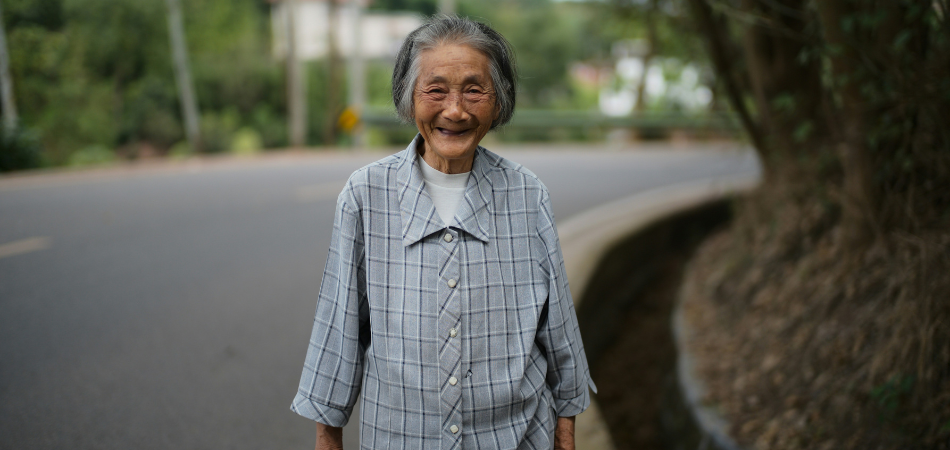
There is a moment many people experience quietly.
Maybe it happens when you hesitate before getting up from the couch. Maybe while climbing stairs, gardening, playing with grandchildren, or turning your head while driving. A small voice wonders, “Is this just what getting older feels like?”
We often hear that aging means accepting stiff joints, reduced mobility, and chronic aches. But the truth is far more hopeful: while our bodies naturally change over time, losing your freedom of movement is not an inevitable part of aging.
Healthy aging is not about pretending we are still twenty. It is about helping the body stay strong, adaptable, balanced, and comfortable through every stage of life.
At Hello Osteo, we see every day how gentle osteopathic care can help people move with greater ease, confidence, and vitality.
What Happens to Our Joints as We Age?
Understanding what is happening beneath the surface can make aging feel less mysterious, and far less discouraging.
Joint Lubrication Gradually Decreases
Our joints are cushioned by synovial fluid, a natural lubricant that helps surfaces glide smoothly. As we age, production may become less efficient, which can contribute to morning stiffness or that “rusty” feeling after sitting for a while.
Muscles and Connective Tissues Lose Elasticity
Muscles, tendons, and ligaments naturally lose some water content and elasticity over time. This can make tissues feel tighter, less flexible, and slower to recover from strain.
The Body Begins to Compensate
One of the most important concepts in osteopathy is that the body works as a connected system.
A slightly stiff hip today can become a sore knee or aching lower back months later.
When one area loses mobility, the body subtly shifts weight and movement patterns to compensate. Over time, these compensations can create pain in places that were never the original problem.
That is why osteopaths look beyond the painful spot and assess how the entire body is moving together.

How Osteopathy Helps Maintain Mobility and Joint Health
Osteopathy is especially well-suited for healthy aging, joint stiffness, arthritis-related discomfort, balance issues, and mobility challenges.
Rather than forcing the body, osteopathic treatment uses gentle, hands-on techniques adapted to your comfort level.
Experience Gentle Manual Care
Restoring Range of Motion
Through gentle joint articulation, soft tissue release, and mobility-focused techniques, an osteopath can help reduce restrictions around stiff areas.
Patients often notice improvements in everyday activities such as:
- Reaching overhead
- Looking over the shoulder while driving
- Bending to tie shoes
- Gardening Walking longer distances
- Getting in and out of a car
Improving Balance and Stability
Maintaining independence means maintaining confidence on your feet.
Osteopathic care can help ensure that the ankles, knees, hips, pelvis, and spine are moving as efficiently as possible, which supports better balance and body awareness.
Many people report feeling steadier and more secure when walking after improving overall mobility.
Supporting Circulation and Recovery
Healthy tissues depend on healthy circulation.
Gentle osteopathic techniques may help reduce areas of tension that restrict normal blood and lymphatic flow, potentially helping with:
- Mild swelling in the legs
- Feelings of heaviness
- Muscle recovery
- Overall comfort and vitality
Three Simple Daily Habits for Healthier Joints
You do not need an intense fitness program to support your joints. Small, consistent habits often make the biggest difference.
Stay Hydrated
Cartilage is largely made of water. Adequate hydration helps support the cushioning and lubrication that joints rely on
Try a 2-Minute Morning Mobility Routine
Before rushing into the day, gently wake up your joints with:
- Shoulder rolls
- Ankle circles
- Slow neck turns
- Gentle torso twists
- Easy seated marches
These movements help encourage circulation and joint lubrication.
Keep Walking
Walking remains one of the best low-impact exercises for healthy aging. It keeps the hips, knees, and spine moving while supporting cardiovascular health and mood.
Consistency matters more than distance.
Movement Is More Than Exercise. It Is Freedom
For many people, the greatest fear is not aging itself; it is losing the ability to do the things that make life feel meaningful.
To walk through the neighborhood. To travel. To garden. To dance at a wedding. To pick up a grandchild. To feel capable in your own body.
Stiffness does not have to become your new normal.
The body has a remarkable capacity to adapt, recover, and move better when given the right support.
If you are noticing increasing stiffness, reduced mobility, or recurring joint discomfort, a gentle osteopathic assessment can help identify where your body may be compensating and what can be done to restore easier movement.
Frequently Asked Questions About Mobility, Aging, and Osteopathy
Can osteopathy help with age-related joint stiffness?
Yes. Osteopathy can help improve mobility, reduce muscle and joint tension, and restore movement in areas that have become restricted over time. Rather than focusing only on where you feel pain, an osteopath looks at how your entire body is moving to identify the underlying causes of stiffness and compensation patterns.
Many people seek osteopathic care for age-related concerns such as neck stiffness, lower back pain, hip discomfort, shoulder limitations, and reduced flexibility.
Is it normal to feel stiff every morning as I get older?
Some mild stiffness after periods of rest can become more common with age, but persistent or worsening stiffness should not simply be accepted as "part of getting older."
Morning stiffness may be influenced by joint mobility, muscle tension, hydration, sleep quality, inflammation, previous injuries, or posture. A thorough assessment can help determine what may be contributing to your symptoms and identify ways to improve your comfort and mobility.
Can osteopathy help improve balance?
Yes. Good balance depends on the body working together efficiently. Restricted movement in the feet, ankles, knees, hips, spine, or neck can affect how your body senses and responds to movement.
By improving joint mobility and reducing unnecessary tension, osteopathic treatment may help you feel steadier, more coordinated, and more confident in your everyday activities.
What are the best exercises to maintain joint health as I age?
The best exercise is often the one you enjoy and can do consistently. Gentle, low-impact activities are excellent for supporting healthy joints, including:
- Walking
- Swimming
- Cycling
- Tai Chi
- Yoga
- Light strength training
- Daily stretching and mobility exercises
These activities help maintain flexibility, support healthy muscles, improve circulation, and reduce stiffness while placing less stress on the joints.
Is osteopathy safe for older adults?
In most cases, yes. Osteopathic treatment is highly adaptable and is tailored to each person's health history, comfort level, and goals.
At Hello Osteo, treatment techniques are always chosen based on your individual needs. For older adults, this often means gentle manual therapy designed to encourage movement without forceful manipulation.
If you have osteoporosis, have recently had surgery, or have other medical conditions, your osteopath will adapt your care accordingly and may collaborate with your healthcare team when appropriate.
How often should I see an osteopath for mobility concerns?
The answer depends on your goals and the nature of your symptoms. Some people benefit from a short series of treatments to address a specific issue, while others choose periodic maintenance visits to help support mobility, flexibility, and overall function as they age.
During your first appointment, your osteopath will discuss your health history, assess your movement, and recommend a care plan that fits your needs.
When should I seek help for joint pain or reduced mobility?
You may benefit from an assessment if you notice:
- Joint stiffness that lasts longer than a few weeks
- Pain that interferes with daily activities
- Difficulty walking, climbing stairs, or getting up from a chair
- Reduced flexibility or range of motion
- Recurring back, neck, hip, or shoulder pain
- Changes in balance or confidence while walking
Early intervention can often help address movement restrictions before they lead to larger compensation patterns or more persistent discomfort.
Can osteopathy help me stay active as I age?
Osteopathy cannot stop the aging process, but it can support healthy movement throughout it. By improving mobility, addressing restrictions, and encouraging better body mechanics, osteopathic care aims to help you continue enjoying the activities that matter most: whether that's gardening, hiking, playing with your grandchildren, travelling, or simply moving through your day with greater comfort and confidence.

A Gentle Invitation
At Hello Osteo, we believe that aging should not mean shrinking your world. Our goal is to help you move with greater ease, feel more connected to your body, and continue doing the activities you love for years to come. Maëva, Céline, and Alexia are here to guide you!
Book a mobility assessment today in Kingston or Amherstview and take the first step toward comfortable, confident movement.
Book at Our Kingston or Amherstview Clinic
References
1. World Health Organization. Physical Activity Guidelines for Older Adults.
2. Osteopathic International Alliance. What Is Osteopathy?
3. National Institute on Aging. Exercise and Physical Activity for Older Adults
Ready to take the next step?
Our osteopathic treatments are tailored to your body and goals.
Learn more about our services ->