Spotting and Relieving Baby Constipation: How Gentle Osteopathy Can Help
Written by Maëva Loyson

Is Your Baby Constipated? Understanding the Signs and Finding Relief
Few things can worry parents more than seeing their baby uncomfortable, fussy, and struggling to pass a bowel movement. While constipation is common in infants, it can be difficult to recognize because every baby's digestive system works a little differently.
Some babies have several bowel movements each day, while others may go several days between dirty diapers, especially if they are exclusively breastfed. The key is not simply how often your baby poops, but how easily and comfortably they do so.
When bowel movements become difficult, painful, or infrequent, your baby may be experiencing constipation. Fortunately, there are gentle ways to support digestive comfort, including pediatric osteopathic treatment.
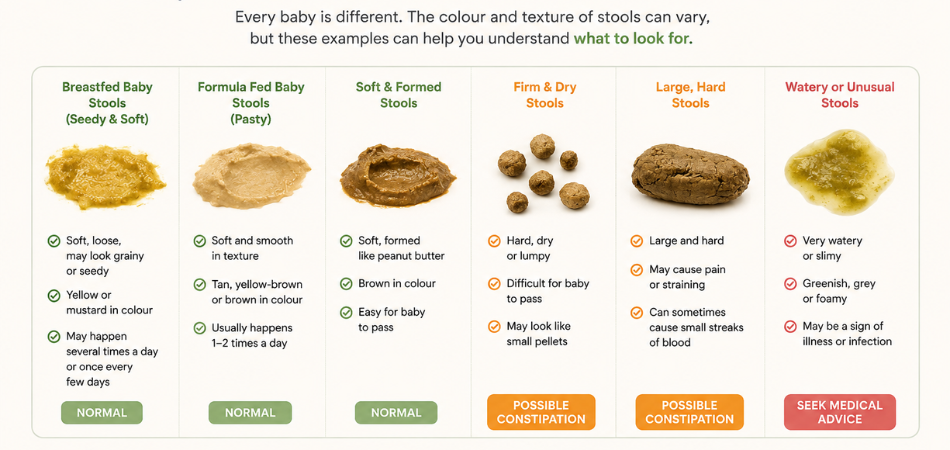
What Does Baby Constipation Look Like?
Because infants do not typically pass hard stools like adults, constipation can sometimes be overlooked. Watch for the following signs:
Hard or Pebble-Like Stools
Healthy infant stools are usually soft. Small, dry, pellet-like stools may indicate constipation and can be difficult for your baby to pass.
Straining Accompanied by Discomfort
Many babies grunt and strain naturally as they learn to coordinate their abdominal muscles. However, if straining is accompanied by persistent crying, visible distress, or signs of pain, constipation may be contributing.
A Firm or Bloated Belly
A tight, swollen abdomen can sometimes indicate trapped gas, slowed digestion, or difficulty passing stool.
Fussiness During or After Feeding
Digestive discomfort may make babies irritable during feeds or shortly afterward. Some infants may feed less enthusiastically when their stomach feels uncomfortable.
Small Streaks of Blood
Hard stools can occasionally cause tiny tears around the anus, resulting in small streaks of bright red blood on the diaper or stool. Any bleeding should be discussed with your healthcare provider.
Changes in Sleep or General Comfort
Babies experiencing constipation may seem more unsettled than usual, wake more frequently, or struggle to settle comfortably.
Why Does Constipation Occur in Babies?
Constipation can develop for several reasons, including:
- Changes in feeding patterns
- Transitioning to formula or solid foods
- Dehydration
- Temporary digestive immaturity
- Sensitivity to certain foods
- Tension patterns that may affect digestion and abdominal comfort
While many cases are temporary, persistent constipation deserves attention to help your baby feel more comfortable and to rule out any underlying concerns.

How Osteopathy May Support Digestive Comfort
At Hello Osteo, we provide gentle pediatric osteopathic care designed specifically for infants. Treatment is always adapted to your baby's age, comfort level, and individual needs.
Rather than forcing movement or manipulating the digestive system directly, osteopathic care focuses on identifying areas of tension that may be influencing overall body function and comfort.
Releasing Tension Through the Abdomen and Pelvis
Gentle hands-on techniques can help reduce tension around the diaphragm, abdomen, lower back, and pelvis. Improving mobility in these areas may support healthy digestive movement and overall comfort.
Supporting Nervous System Function
The digestive system relies heavily on communication between the brain, spinal cord, and digestive organs. Osteopathic assessment may identify areas of restriction that could be influencing this communication.
By promoting relaxation and balanced nervous system function, treatment may help support the body's natural "rest and digest" processes.
Addressing Birth-Related Strains
Pregnancy, labour, and delivery can place significant physical demands on a baby's body. In some cases, subtle strains around the neck, spine, or pelvis may contribute to tension patterns that affect feeding, digestion, or comfort.
Gentle osteopathic techniques aim to support normal movement and reduce these restrictions where appropriate.
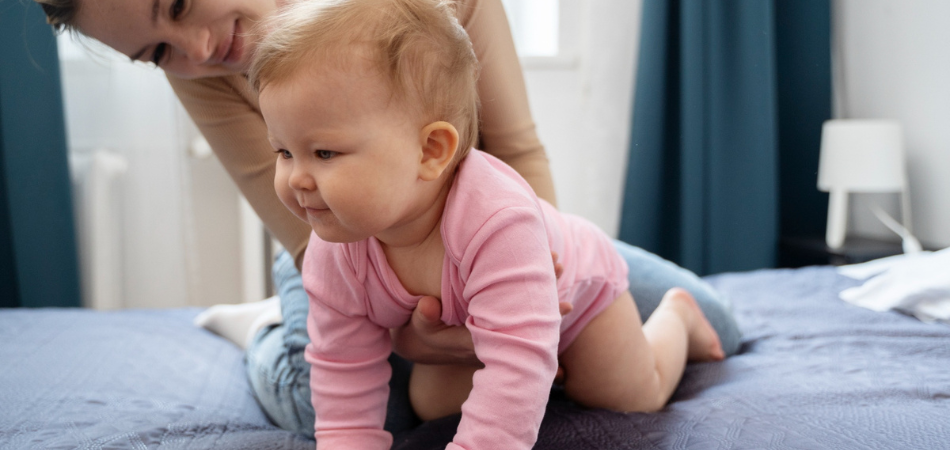
Gentle Strategies You Can Try at Home
In addition to professional care, many parents find these simple techniques helpful:
Bicycle Legs
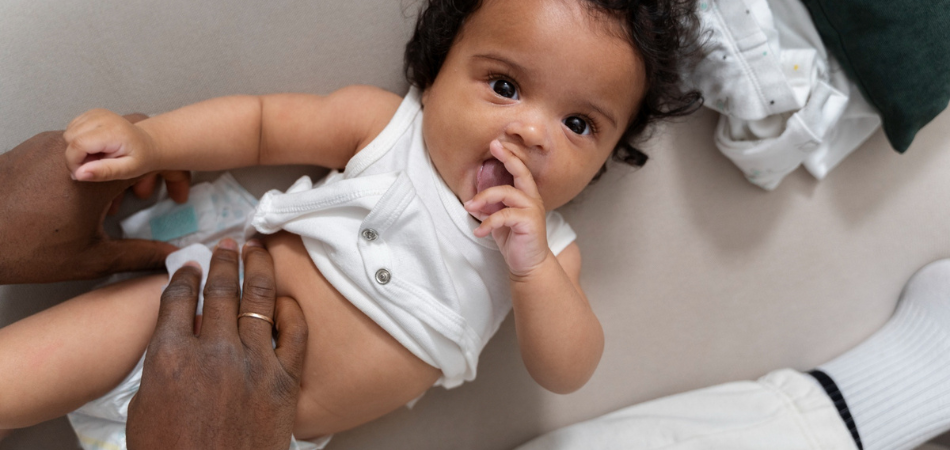
Lay your baby on their back and gently move their legs in a cycling motion. This can help encourage bowel activity and release trapped gas.
Warm Baths
A warm bath may help relax abdominal and pelvic muscles, making it easier for your baby to pass stool.
Gentle Tummy Massage
Using light pressure, massage your baby's tummy in a clockwise direction around the belly button. This follows the natural path of the large intestine and may help stimulate movement.
Encourage Comfortable Movement
Supervised tummy time and age-appropriate movement throughout the day can help support healthy digestion and body awareness.
When Should You Seek Medical Advice?
While occasional constipation is common, contact your healthcare provider if your baby experiences:
- Persistent vomiting
- Fever Significant abdominal swelling
- Refusal to feed
- Poor weight gain
- Ongoing constipation that does not improve
- Moderate or large amounts of blood in the stool
- Extreme discomfort or lethargy
These symptoms may indicate a condition requiring medical assessment.
Frequently Asked Questions
Can osteopathy help a constipated baby?
Pediatric osteopathy may help support digestive comfort by addressing areas of tension and promoting overall relaxation and mobility. It should be used alongside appropriate medical care when needed.
How do I know if my baby is constipated or just straining?
Many babies strain because they are still learning how to coordinate the muscles needed for bowel movements. Constipation is more likely when straining is accompanied by hard stools, discomfort, or infrequent bowel movements.
Is osteopathic treatment safe for babies?
When provided by a qualified practitioner trained in pediatric care, osteopathic treatment uses extremely gentle techniques appropriate for infants
Can breastfed babies become constipated?
Yes, although it is less common. Breastfed babies may go several days without a bowel movement and still be completely normal if stools remain soft and the baby is comfortable.
When should I worry about baby constipation?
Seek medical advice if constipation is accompanied by vomiting, fever, poor feeding, abdominal swelling, significant blood in the stool, or ongoing discomfort.
Supporting Your Baby's Comfort Naturally
Watching your baby struggle with constipation can be stressful, but gentle support can often make a meaningful difference. At Hello Osteo, we take the time to understand your baby's unique needs and provide safe, compassionate care focused on comfort, mobility, and overall wellbeing.
Watching your baby struggle with constipation can be stressful, but gentle support can often make a meaningful difference. At Hello Osteo, we take the time to understand your baby's unique needs and provide safe, compassionate care focused on comfort, mobility, and overall wellbeing.
Contact Hello Osteo today to learn more about pediatric osteopathy or to book an appointment for your baby.
Book at Our Kingston or Amherstview Clinic
References
- Health Canada. (2024). Nutrition for healthy term infants: Recommendations from birth to six months.
- Health Canada. (2024). Nutrition for healthy term infants: Recommendations from six to 24 months.
- Canadian Paediatric Society. (2024). Healthy bowel habits for children.
- HealthLink BC. (2024). Bowel movements in babies.
- Tabbers, M. M., DiLorenzo, C., Berger, M. Y., Faure, C., Langendam, M. W., Nurko, S., Staiano, A., Vandenplas, Y., & Benninga, M. A. (2014). Evaluation and treatment of functional constipation in infants and children: Evidence-based recommendations from ESPGHAN and NASPGHAN. Journal of Pediatric Gastroenterology and Nutrition, 58(2), 258–274. https://doi.org/10.1097/MPA.0000000000000266
Ready to take the next step?
Our osteopathic treatments are tailored to your body and goals.
Learn more about our services ->