Waking Up with Neck Pain? Your Body May Be Trying to Tell You Something
Written by Maëva Loyson

Have you ever woken up unable to comfortably turn your head? Or reached the end of a workday with tight shoulders, a stiff neck, and a headache that seemed to appear out of nowhere?
If this sounds familiar, you're certainly not alone. Neck pain is one of the most common reasons people visit our clinics in Kingston and Amherstview. Whether it develops gradually after months at a computer or appears after a stressful week, neck discomfort can quietly affect almost every part of daily life. Driving becomes uncomfortable. Concentrating at work becomes harder. Even finding a comfortable sleeping position can feel impossible.
Many people assume the pain started in the neck itself. Surprisingly, that is not always the case. At Hello Osteo, we look beyond the place that hurts. Our goal is to understand why your neck has begun asking for help and to restore the natural balance that allows your body to move comfortably again.
Your Neck Rarely Works Alone
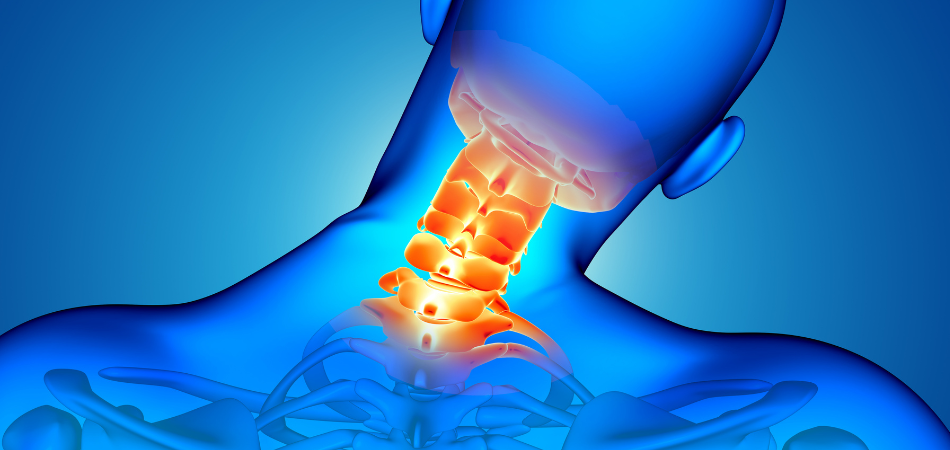
Your neck, also known as the cervical spine, is remarkably mobile. It supports the weight of your head while allowing you to look up, down, and side to side thousands of times every day.
Because it is constantly working, it is also very good at compensating.
One of the things we often tell patients is that the neck is a hardworking team player. When another area of the body loses mobility, the neck frequently steps in to make up for it. It continues doing the extra work until the muscles become tired, the joints become restricted, and pain finally begins to appear.
This is one of the reasons why treating only the painful area often provides temporary relief but does not always solve the underlying problem.
What Could Be Causing Your Neck Pain?
Every person is different, but there are several patterns we commonly see in our clinics.
Hours at a Desk or Looking at Your Phone
Modern life asks a lot of our necks.
Working at a computer, answering emails, scrolling through your phone, or driving for long periods can gradually pull your head forward. The farther your head moves away from its natural position, the harder your neck and shoulder muscles must work to support it.
Many people do not notice this change happening because it develops slowly over months or years.
Stress That Shows Up in the Body
Have you ever caught yourself clenching your jaw or raising your shoulders without realizing it?
Stress often settles into the muscles around the neck, shoulders, and the base of the skull. Even after the stressful situation has passed, those muscles may remain tight, limiting movement and contributing to headaches or persistent stiffness.
Old Injuries That Never Fully Resolved
Sometimes the source of today's neck pain began somewhere completely different.
A previous shoulder injury, a fall, a sports injury, or even reduced movement through the upper back or pelvis can change the way your body distributes movement. Over time, your neck works harder to compensate for these restrictions.
This is why we assess the body as a connected system rather than focusing on a single painful area.
Experience Gentle, Restorative Manual Care
Why Osteopathy Takes a Whole Body Approach
Osteopathic Manual Therapy is built on a simple principle: every part of the body works together.
When one area loses its normal movement, other areas often compensate. These compensations can eventually create discomfort somewhere entirely different from the original restriction.
Rather than asking only, "Where does it hurt?", we also ask:
- Why has this area become overloaded?
- What is no longer moving as it should?
- How can we help the body function more efficiently again?
This whole body perspective allows us to create care plans that are tailored to each individual instead of simply treating symptoms.
What Happens During an Osteopathic Treatment?
Many people are unsure what to expect before their first appointment.
Your visit begins with a conversation. We want to understand your symptoms, your daily routine, previous injuries, your work environment, and how your pain affects your everyday life.
From there, we assess how your body moves as a whole.
Our practitioners carefully evaluate the mobility of your neck, shoulders, upper back, ribs, spine, and surrounding tissues to identify patterns that may be contributing to your discomfort.
Treatment itself is gentle and hands-on. We use precise manual techniques that encourage your body to regain healthy movement without forceful manipulation.
Depending on your needs, treatment may include:
Gentle Soft Tissue Release
Tight muscles around the neck and shoulders can limit movement and create ongoing discomfort.
By gently releasing these tissues, we help reduce muscle tension, improve circulation, and encourage the body to relax naturally.
Restoring Healthy Joint Movement
Sometimes small joints lose the smooth movement they were designed to have.
Gentle joint mobilization helps restore normal motion, reducing unnecessary strain on surrounding muscles and easing pressure on sensitive structures.
Helping Calm the Nervous System
Persistent pain often keeps the nervous system in a heightened state of alertness.
Many patients describe feeling lighter, calmer, and more relaxed after treatment because gentle manual therapy encourages the body to shift away from that constant state of tension.
When Will I Start Feeling Better?
Every body heals differently.
Some people notice improved movement after their first appointment, particularly when muscle tension is the primary cause of their discomfort.
Others who have been living with chronic neck pain for months or years may need a series of treatments as their body gradually adapts to healthier movement patterns.
Our focus is never on providing a quick fix. Instead, we aim to create lasting improvements that help you return to work, hobbies, exercise, and daily life with greater comfort and confidence.
Frequently Asked Questions About Neck Pain and Osteopathy
How many osteopathy sessions will I need for my neck pain?
Every individual body reacts differently. However, many of our patients notice a distinct improvement in mobility and a decrease in sharp pain after their very first session. For simple muscle strains, a few sessions are often all it takes, while long-standing, chronic issues may require a personalized plan to build lasting structural resilience.
Can neck tension cause my frequent headaches?
Yes, absolutely. Tension headaches and even certain migraines are frequently triggered by restricted movement in the upper neck joints, tightness at the base of the skull, or teeth grinding. By releasing these specific mechanical blocks, we regularly help patients achieve a major reduction in both the frequency and intensity of their headaches.
Is osteopathy safe if my neck is incredibly sore and sensitive right now?
Yes. Our care is entirely customized to your comfort level and current pain levels. Because osteopathy uses gentle, noninvasive techniques rather than sudden force, it is safe, relaxing, and highly effective, even during an acute pain flare-up.

You Don't Have to Accept Neck Pain as Your Normal
Living with constant stiffness or discomfort can slowly become something people learn to tolerate. They avoid turning their head fully while driving, wake up feeling tired because they could not sleep comfortably, or accept headaches as part of a busy week.
It does not have to stay that way.
At Hello Osteo, Maëva, Céline, and Alexia work together to help people throughout Kingston and Amherstview understand what their bodies need to move more freely again. Every assessment is approached with curiosity, clinical expertise, and respect for the uniqueness of each individual.
Whether your neck pain began recently or has been following you for years, our goal is to help you uncover its underlying cause and support your body's natural ability to heal.
If you're ready to move more comfortably, sleep more peacefully, and return to the activities you enjoy with greater ease, we'd be honoured to welcome you to our Kingston or Amherstview clinic.
Book Your Appointment at Our Kingston or Amherstview Clinic
“Healing starts with listening to the body, not forcing it.” - Céline
References
World Health Organization - https://www.who.int
The Right Move Physiotherapy - https://www.rightmovept.com
Ready to take the next step?
Our osteopathic treatments are tailored to your body and goals.
Learn more about our services ->